
00:47local time
Europe · Capital Zagreb
Adriatic coast, EU membership and a growing remote-work scene.
LanguagesCroatian
CurrencyEUR
Population3.8M
EnglishWidely spoken
Overview
A European Union country on the Adriatic coast, known for its coastline, islands and relaxed pace.
Croatia is a country of roughly four million people on the Adriatic coast, with a long shoreline and well over a thousand islands. Its capital and largest city is Zagreb. Split, Rijeka, Zadar, Pula, Osijek and Dubrovnik are other cities many newcomers consider. Croatian is the official language. English is widely spoken in tourism, in business and among younger people, while German and Italian are also common in some regions.
Croatia joined the European Union in 2013, adopted the euro in 2023 and became part of the Schengen Area the same year. That makes it simple for EU and EEA citizens to move, and it means short stays for many other nationalities follow Schengen rules.
Visit in more than one season. A coastal town that feels lively in July can feel very quiet in January. Use the other topic sections on this page for visas, housing, healthcare and daily costs.
Last reviewed November 2026
Visas
EU citizens have simple rules; others usually need a residence permit.
Start early, because documents from abroad can take time to obtain and certify. Immigration rules change, so always confirm current requirements with the Ministry of the Interior or the nearest Croatian embassy before you apply.
Last reviewed November 2026
Jobs
Tourism, IT, services and seasonal work are common; non-EU citizens need permits.
Tourism and hospitality are the biggest employers on the coast and islands, with a strong seasonal pattern from spring to autumn. Zagreb has the widest range of office, finance, public-sector and IT jobs, and Split, Rijeka and Osijek have growing technology and service sectors. Shipbuilding, manufacturing, construction and agriculture also employ many people.
If you plan seasonal work, confirm in advance how your permit and accommodation will be handled.
Last reviewed November 2026
Housing
Renting is straightforward in cities; coastal prices rise in summer.
Most newcomers rent first. Apartments are found through real estate agencies, online listings and local contacts. Larger cities such as Zagreb, Split and Rijeka have the most choice, while smaller towns have fewer listings but often calmer streets and lower demand.
On the coast and islands, many owners rent short-term to tourists in summer. Long-term rentals can be harder to find between spring and early autumn, and some are offered only for the off-season months. If you arrive in summer, plan for a temporary stay while you search for a longer lease.
Foreign buyers should take independent legal advice. Rules on foreign ownership can depend on nationality and on the type of property, so confirm them with a Croatian lawyer or notary before paying any deposit.
Last reviewed November 2026
Healthcare
Public health insurance covers residents; private care is also available.
Croatia has a public health system run through the national health insurance fund (HZZO). Residents who work, or who are otherwise insured, are generally covered. Many people also take out supplementary insurance, which helps with co-payments for some services.
EU visitors can use the European Health Insurance Card for medically necessary care. Other newcomers should arrange private or travel health insurance until they are covered locally, and some residence permits require proof of health insurance.
The single European emergency number 112 works across Croatia. Keep a copy of your insurance details and a list of any regular medication in English and, if possible, its generic name.
Last reviewed November 2026
Cost of living
Costs are lower in inland towns and higher in tourist hotspots.
Housing is by far the biggest difference between places. Zagreb and the popular coastal cities, especially Split, Dubrovnik and Istrian towns, tend to cost more to rent than inland towns and smaller cities. Everyday items such as local food, public transport and coffee are modest compared with much of Western Europe, although imported goods and eating out in tourist areas can be expensive.
In tourist areas, prices for food, accommodation and services rise in summer and fall in winter. Residents often shop at local markets and supermarkets rather than in the main tourist centres.
Because the euro replaced the kuna in 2023, older price lists may be out of date. Use the calculators on this site to compare cities and build a budget for your own situation, and check current listings for the area you have in mind before you commit.
Last reviewed November 2026
Transportation
Buses, ferries and cars are the main ways to travel.
Croatia drives on the right. Carry your licence, vehicle papers and insurance. Some motorways charge tolls. Check the rules on winter tyres and headlights, and on using a phone while driving. Visitors with a licence from outside the EU should check whether an international driving permit is needed.
Zagreb, Split and Dubrovnik have the busiest airports, with others on the coast and some islands, including seasonal flights. Many routes are far more frequent in summer.
Last reviewed November 2026
Lifestyle
Coastal living, cafe culture, outdoors and a Mediterranean pace.
Croatian life is social and outdoors-oriented. People spend long hours at cafes, meet friends in squares and parks and spend weekends at the sea, on hiking trails or in the countryside. Seafood, grilled meat, olive oil, local wine and regional dishes are central to the food culture, and fresh produce markets are a daily habit in many towns.
Many businesses on the coast slow down or close in the colder months and run longer hours in summer. In August, some shops and offices reduce hours during the holiday season. Public holidays are observed widely, so plan errands around them.
Learning some Croatian goes a long way and is appreciated, even if you manage in English. Expat groups, language classes, sports clubs and coworking spaces in the larger cities are good places to meet people. Greeting neighbours and shopkeepers politely is part of everyday etiquette.
Last reviewed November 2026
Education
Public schools teach in Croatian; some private and international options exist.
Public primary and secondary schools teach in Croatian and are free for residents, though families usually cover books, meals and activities. There are a number of private and international schools, mainly in Zagreb and some coastal cities, that teach in English or other languages. Places and admission rules vary, so contact schools early.
You usually need proof of address, identification, previous school records and vaccination records. Records from abroad may need translation and recognition by the education authorities. Ask the school which documents they require.
The main public universities are in Zagreb, Split, Rijeka, Osijek and Zadar. Most degrees follow the European Bologna system, and some programmes are offered in English, especially at postgraduate level. International students should check admission rules, language requirements and any student residence permit conditions.
If you want to work in a regulated profession or continue your studies, you may need your foreign diploma recognised. Contact the relevant national authority and ask which documents, translations and certifications are required.
Croatian language courses are available through universities, private schools and community groups.
Last reviewed November 2026
Banking
Croatia uses the euro; banks open accounts for residents with identification.
Croatian banks generally open current accounts for residents and, in many cases, for non-residents. You typically need a valid passport or ID, your Croatian personal identification number (OIB), proof of address or residence, and sometimes proof of income or employment. Requirements differ by bank, so ask in advance and compare accounts.
Most banks offer online and mobile banking. For international transfers, compare bank transfers with specialist money transfer services, and check exchange rates and fees before you send.
If you earn income in Croatia, you will need to register with the tax administration and follow the rules on income tax and social contributions. Tax residency depends on where you live and how long you stay. Consider speaking to a local accountant about your situation, especially if you earn income from abroad.
Last reviewed November 2026
Laws
Carry ID and register your stay as required.
Employment, rental and consumer rights are set by Croatian and EU law. Keep written copies of contracts and receipts. If you have a dispute, contact the relevant authority or seek advice from a local lawyer.
Call 112 for police, ambulance or fire. If you lose your passport, report it to the police and contact your embassy.
Laws change, so check official sources for the latest rules.
Last reviewed November 2026
Travel
Croatia is in the Schengen Area, with airports in Zagreb, Split and Dubrovnik.
Croatia's main international airports are in Zagreb, Split and Dubrovnik, with others at Zadar, Pula, Rijeka and Osijek. Zagreb serves year-round flights, while many coastal airports have far more routes in summer than in winter. Croatia also has road, rail and ferry links with neighbouring countries and with Italy.
Croatia is part of the Schengen Area, so Schengen rules apply to short stays. Many nationalities can enter without a visa for a limited period, while others need a visa in advance. From time to time the EU introduces new entry systems and travel authorisations, so check what applies to your nationality before you travel.
Because of Schengen, travelling to neighbouring EU countries is often simple, but carry identification because checks can still occur. If you leave the Schengen Area, check the border rules for the country you are entering.
If you want to stay beyond a short visit, see the visa section for residence routes.
Last reviewed November 2026
0 reviews
Lived in Croatia? Your rating helps the next person decide.
Start the first thread for this country.
Visas, jobs, housing or daily life: people on the ground usually answer within a day.
Ask a question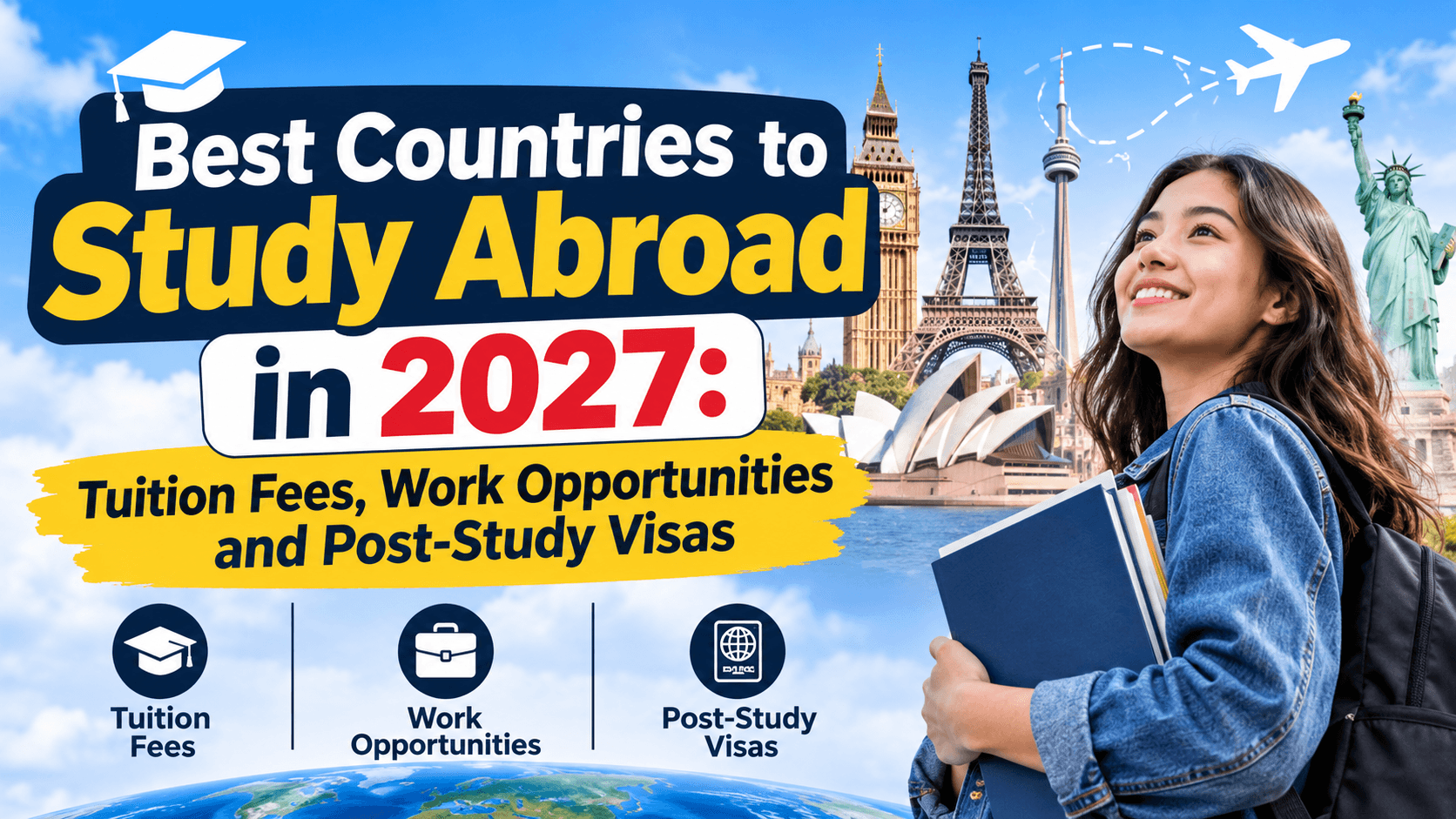
Compare Germany, Canada, the UK, Australia and more for 2027: realistic tuition and living costs, student visa rules, work rights while studying and what happens after graduation.
14 min read Updated Nov 2026

A week by week checklist for your first month in a new country: registration, ID numbers, banking, phone, healthcare, tax and building a life beyond paperwork.
3 min read Updated Nov 2026

The real costs of relocating: visas, flights, deposits, the first months before salary arrives and the hidden extras. A simple framework and worked numbers.
3 min read Updated Nov 2026
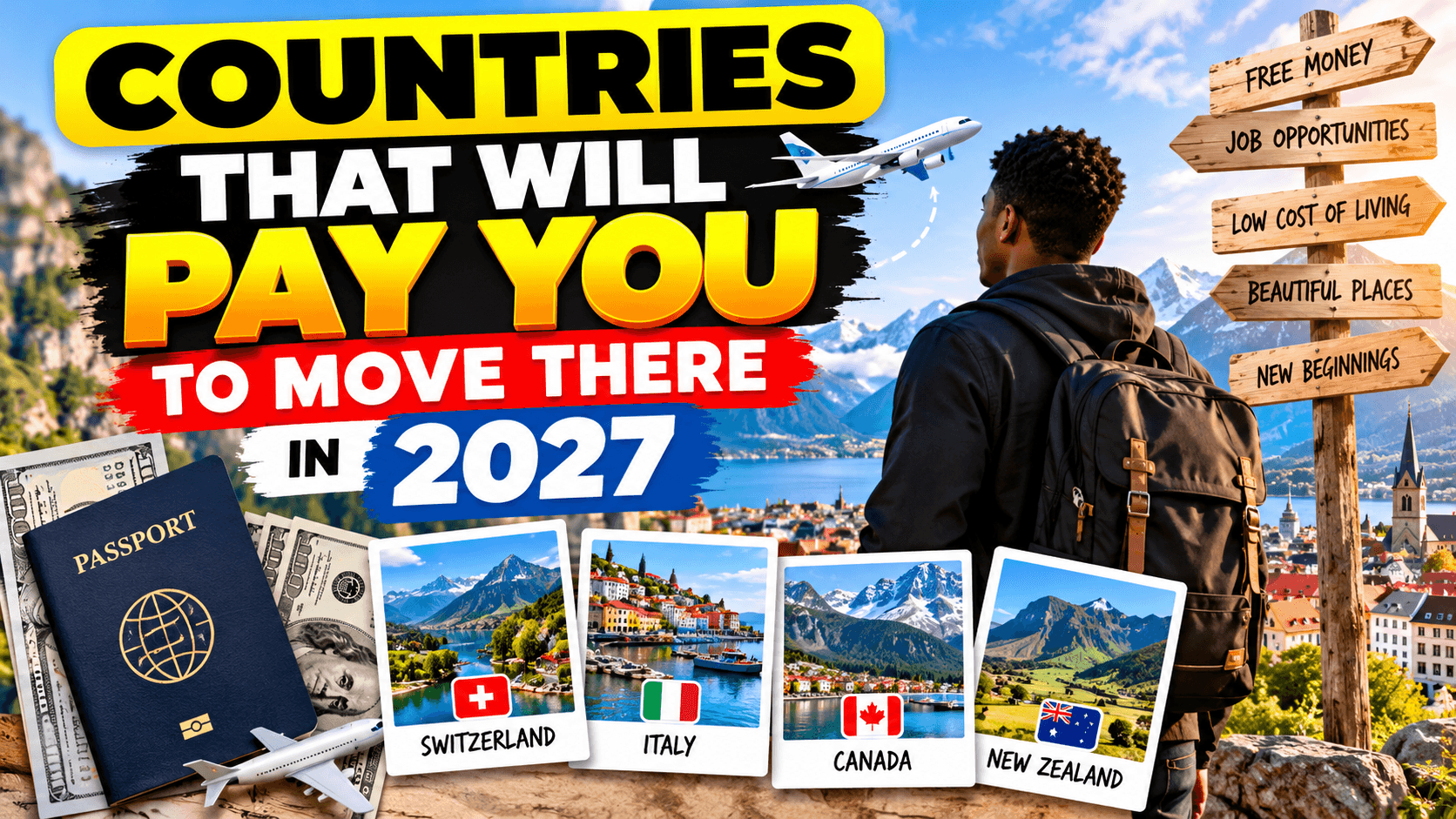
Several countries offer genuine relocation incentives, rural resettlement programs, and financial assistance to attract newcomers. Explore legitimate opportunities, understand the conditions applicants must meet, and learn why these programs rarely offer free money.
6 min read Updated Nov 2026
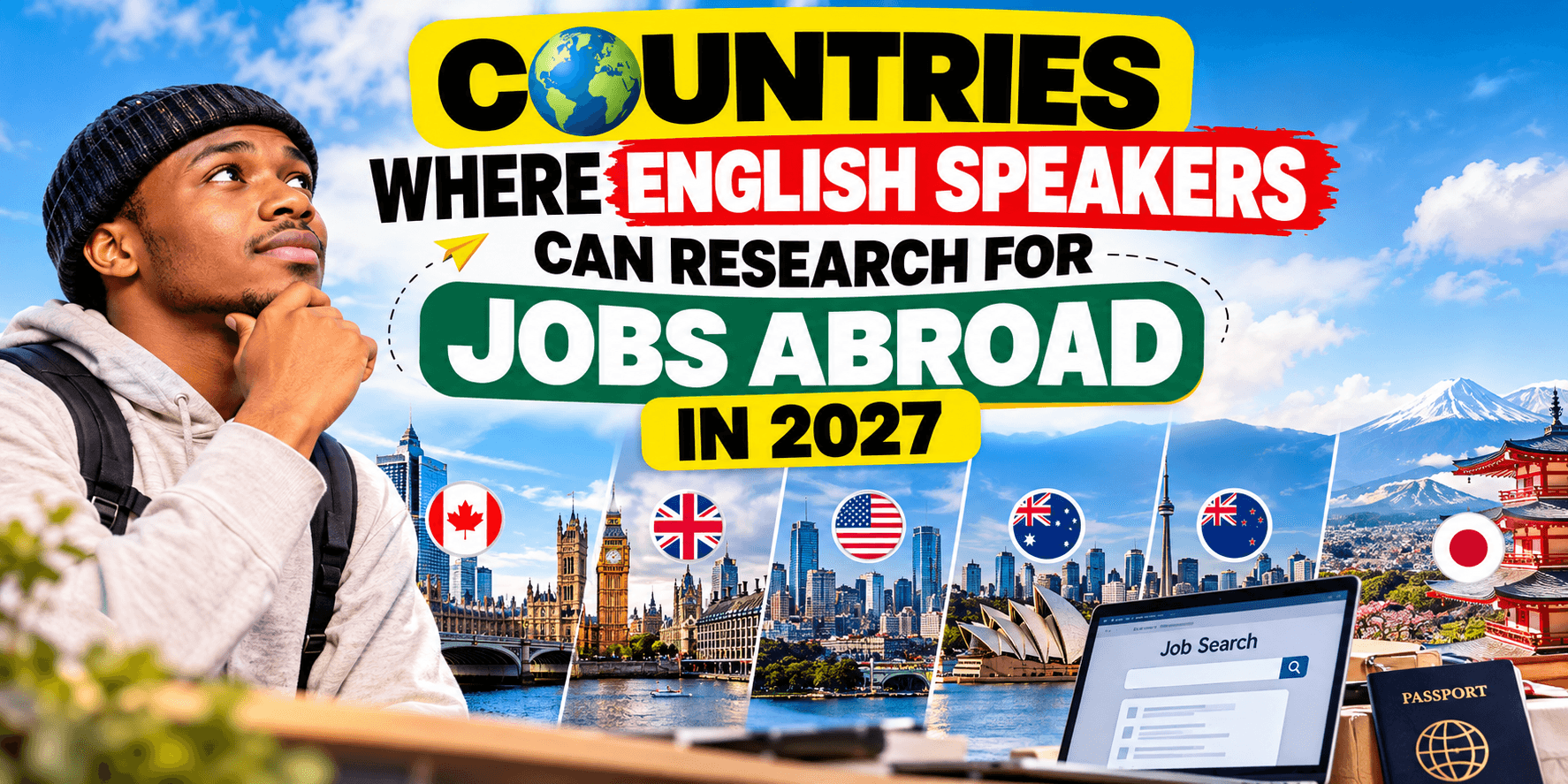
Discover the top destinations for English speakers seeking international career opportunities. From tech hubs to financial centers, explore countries with strong job markets, visa pathways, and competitive salaries.
7 min read Updated Nov 2026
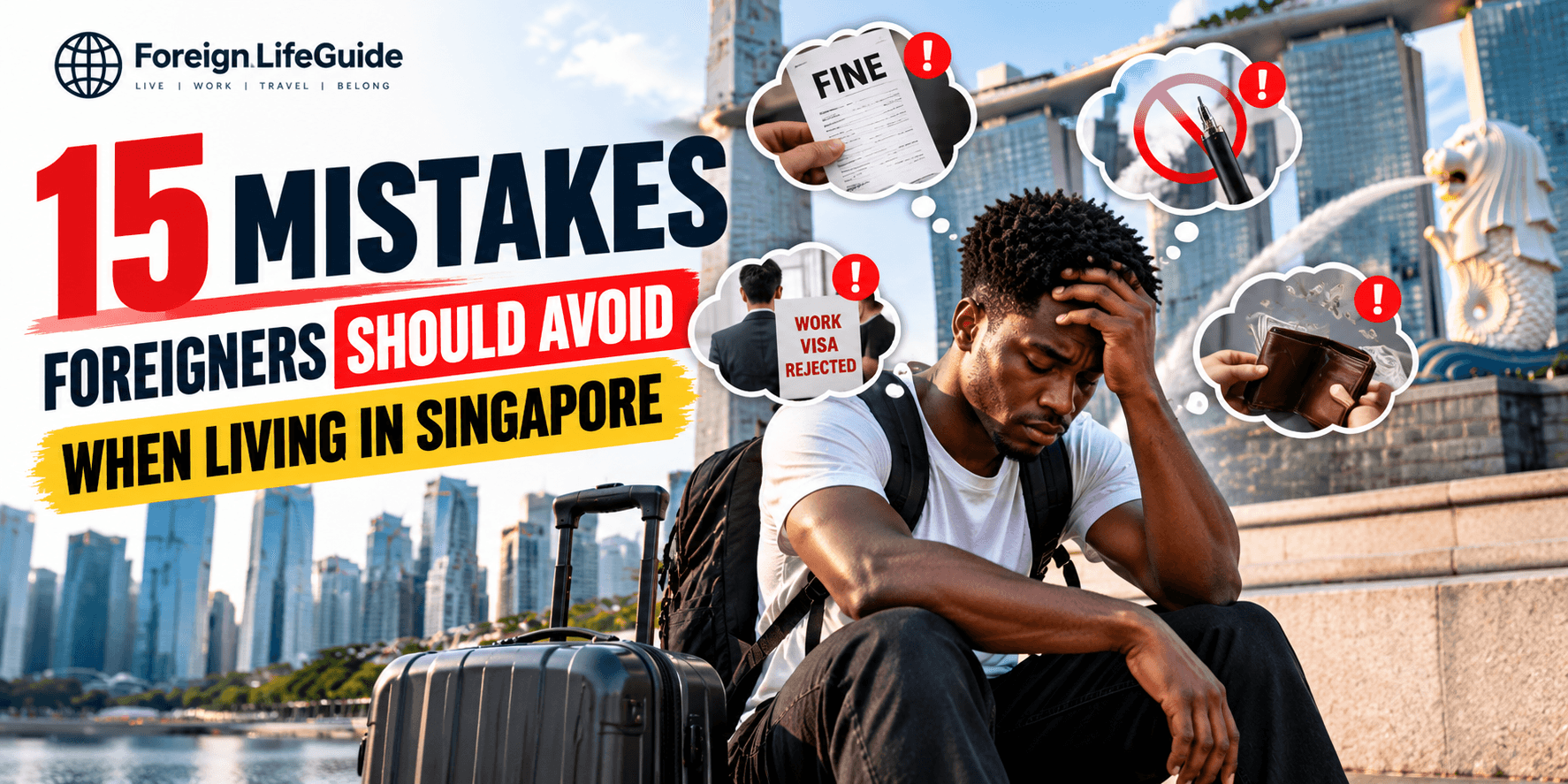
Singapore is a thriving global city, but newcomers often make preventable mistakes. Learn from experience: discover the 15 most common errors foreigners make and how to avoid them for a smoother transition.
7 min read Updated Nov 2026
